

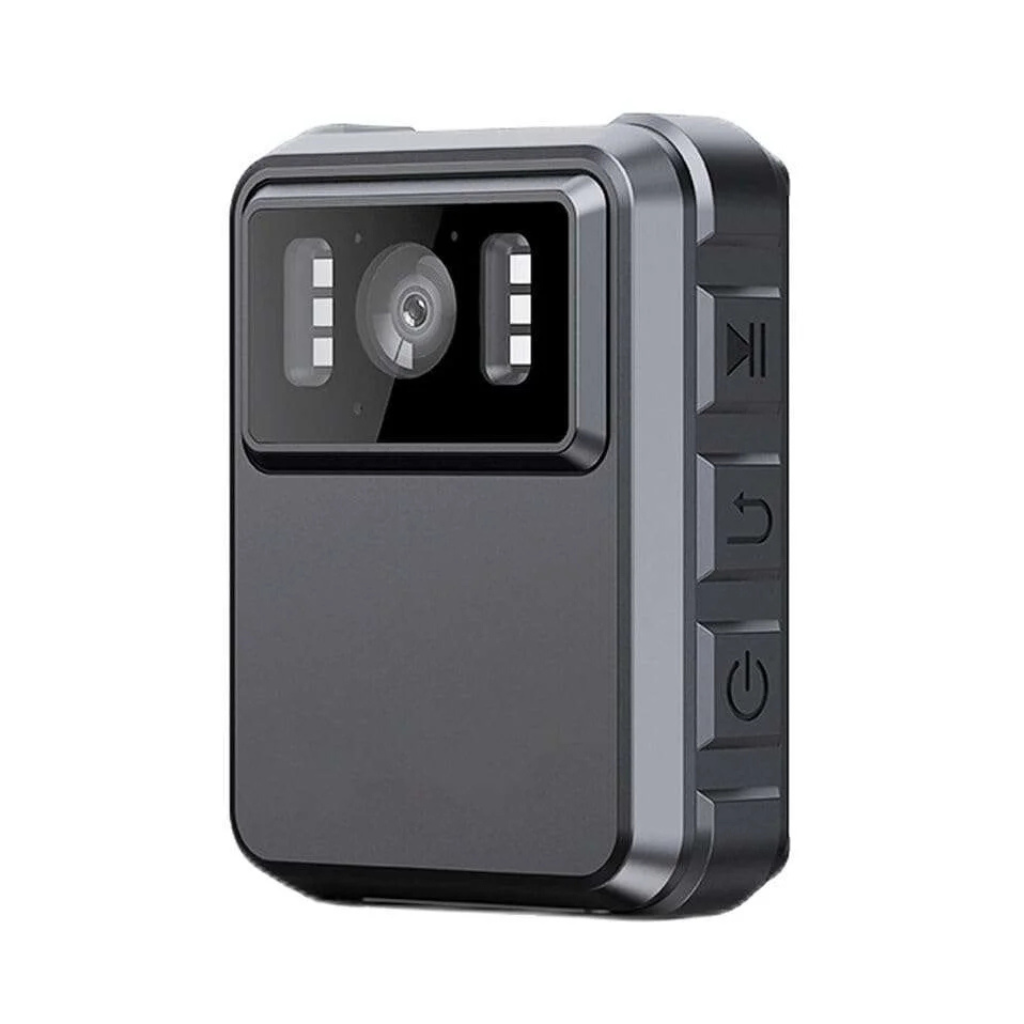
In an increasingly security-conscious world, Body Worn Cameras have become an essential tool for recording real-time events. These compact and wearable devices help improve safety, accountability, and transparency across various industries.
From professionals like security personnel to everyday users, body worn cameras are widely used for reliable video and audio recording in different environments.
What Are Body Worn Cameras?
Body worn cameras are portable recording devices designed to be worn on clothing, uniforms, or accessories. They capture video and audio from the wearer’s point of view, providing a clear and accurate record of events as they happen.
They are commonly used in:
- Law enforcement
- Private security
- Workplace safety
- Personal protection
- Field operations
Key Features of Body Worn Cameras
1. High-Quality Video Recording
Most body worn cameras offer Full HD or higher resolution, ensuring sharp and detailed footage.
2. Long Battery Performance
Modern devices are equipped with powerful batteries that support extended recording sessions.
3. Night Vision Support
Infrared technology allows recording even in low-light conditions.
4. Motion Detection Technology
Some models automatically start recording when movement is detected, making them efficient and convenient.
5. Loop Recording Function
When storage is full, older recordings are replaced automatically, ensuring continuous operation.
6. Compact and Lightweight Design
These cameras are easy to wear throughout the day without discomfort.
Benefits of Body Worn Cameras
Improved Safety
Body worn cameras help users feel more secure in different situations.
Reliable Evidence Recording
They provide clear video documentation that can be useful in resolving disputes or verifying events.
Increased Accountability
Widely used by professionals, these devices promote responsible behavior and transparency.
Personal Protection
Individuals can use them for travel safety, daily monitoring, or emergency situations.
Workplace Efficiency
Employers can ensure quality control and maintain safety standards.
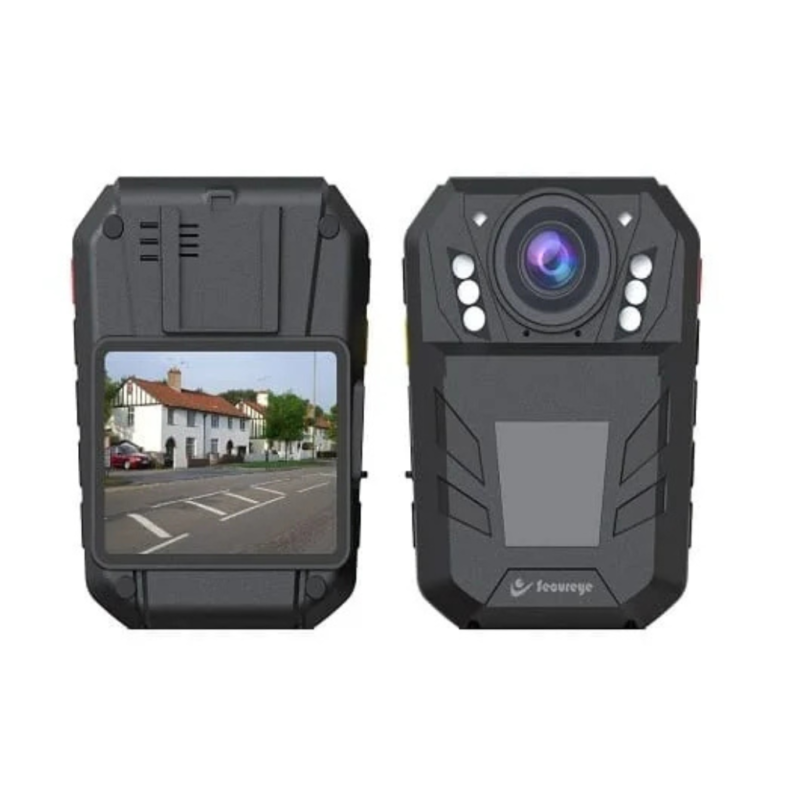
Common Uses of Body Worn Cameras
Law Enforcement
Used by officers to document interactions and maintain transparency.
Security Services
Helpful for monitoring surroundings and recording incidents.
Delivery & Field Work
Ensures safety and provides proof of service during operations.
Personal Use
Ideal for daily safety, travel, and home monitoring.
Content Creation
Useful for recording first-person videos and real-life experiences.
How to Choose the Best Body Worn Camera
When selecting a device, consider these important factors:
- Video Resolution – Choose at least 1080p for clear footage
- Battery Life – Look for long-lasting performance
- Storage Capacity – Ensure sufficient memory support
- Build Quality – Prefer durable and water-resistant designs
- Ease of Use – Simple controls and quick setup are important
- Connectivity Options – WiFi or app support for easy file transfer
Legal and Privacy Considerations
Before using a body worn camera, it is important to understand the rules regarding recording in your region.
Keep in mind:
- Follow local laws and guidelines
- Avoid recording in private or restricted areas
- Use recordings responsibly and ethically
Future of Body Worn Cameras
The technology behind body worn cameras continues to evolve. Future advancements may include:
- AI-based video analysis
- Cloud storage integration
- Live video streaming
- Enhanced battery efficiency
These improvements will make body worn cameras even more effective and accessible.
Conclusion
Body worn cameras are a powerful solution for enhancing safety, improving accountability, and capturing important moments in real time. Whether for professional use or personal security, these devices offer a practical and reliable recording option.
As technology advances, their role in everyday life will continue to grow, making them an important part of modern safety solutions.
Frequently Asked Questions (FAQs)
1. What is a body worn camera?
A body worn camera is a portable device that records video and audio while being worn on the body.
2. Who uses body worn cameras?
They are used by law enforcement, security personnel, delivery workers, and individuals for personal safety.
3. How long can a body worn camera record?
Recording time depends on the battery and storage capacity, ranging from a few hours to extended durations.
4. Do body worn cameras work at night?
Yes, many devices include night vision for recording in low-light conditions.
5. Can body worn cameras record audio?
Yes, most models capture both video and audio together.
6. Are body worn cameras suitable for personal use?
Yes, they are widely used for personal safety and daily monitoring.
7. What features should I look for in a body worn camera?
Look for video quality, battery life, storage, durability, and ease of use.