












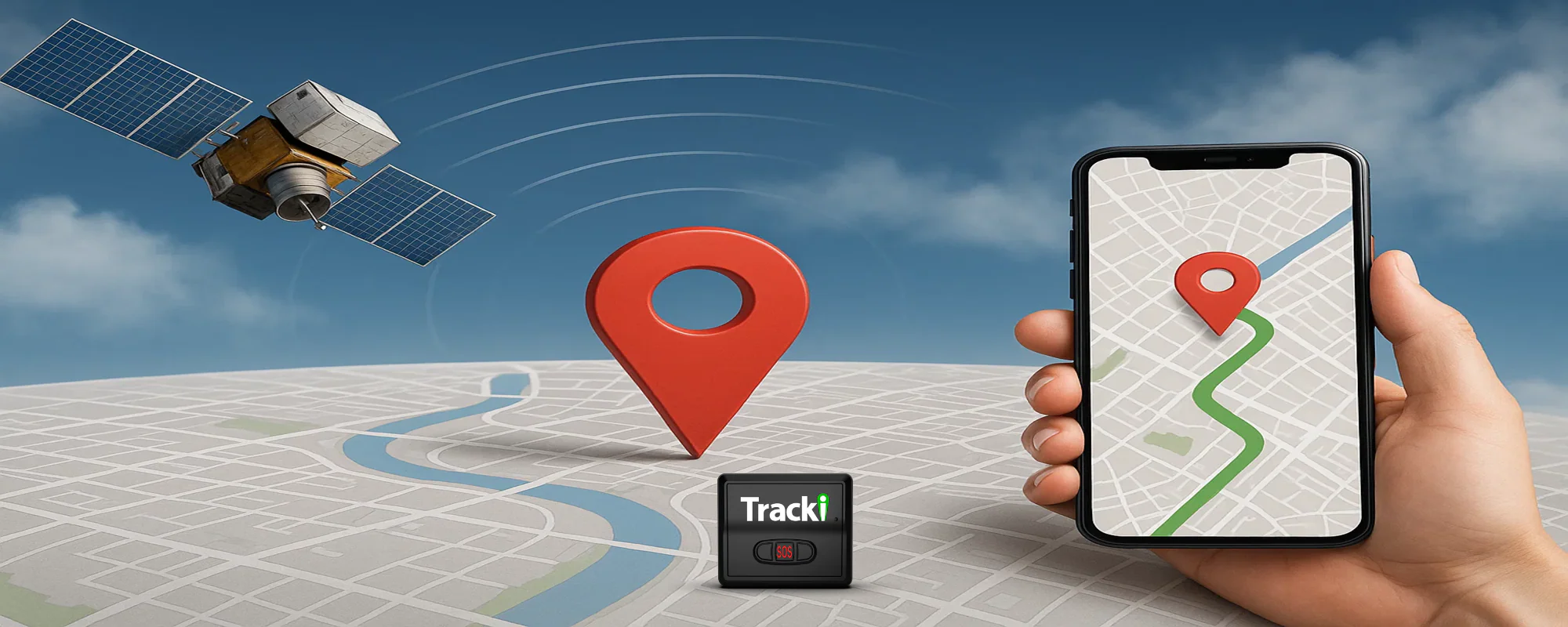
In today’s fast-moving world, GPS has become part of our everyday life. Whether you are tracking a vehicle, finding a new location, monitoring your fleet, or ensuring your loved one’s safety, GPS technology plays a major role. At Spy Eye Technology, we believe that understanding how GPS works helps you use it more confidently and effectively.
What is GPS?
GPS stands for Global Positioning System. It is a satellite-based navigation system that helps determine the exact location of a person, vehicle, or device anywhere on Earth.
The system was originally developed by the United States Department of Defense for military use, but today it is available for civilian and commercial use worldwide. From Google Maps to vehicle tracking systems, GPS is everywhere.
The Three Main Parts of GPS
To understand how GPS technology actually works, you need to know about its three main components:
1. Satellites (Space Segment)
There are around 30+ GPS satellites orbiting the Earth. These satellites continuously send signals down to Earth. They are positioned in such a way that at least four satellites are visible from almost any point on the planet.
2. Ground Control Stations (Control Segment)
These stations monitor the satellites. They make sure satellites are working properly and transmitting accurate data. If there is any error in position or timing, ground stations correct it.
3. GPS Receivers (User Segment)
This is the device you use—like a vehicle GPS tracker, smartphone, or tracking device provided by Spy Eye Technology. The receiver collects signals from satellites and calculates your exact location.
How GPS Finds Your Location
Now comes the most interesting part—how does GPS actually know where you are? It works using a method called trilateration.
Here’s how it works in simple steps:
- A GPS satellite sends a signal containing:
○ Its current position
○ The exact time the signal was sent
- Your GPS device receives that signal.
- The device calculates how long the signal took to reach it.
- Since radio signals travel at the speed of light, your device calculates the distance from that satellite
But here’s the key part—to find your exact position, your GPS device needs signals from at least four satellites.
Why four?
● Three satellites help determine your position (latitude, longitude, and altitude).
● The fourth satellite corrects timing errors in your device.
Once the receiver processes all this data, it pinpoints your exact location—often within a few meters of accuracy.
Why Timing is So Important
GPS depends heavily on precise timing. Each satellite carries an atomic clock, which is extremely accurate.
Even a tiny timing error of one millisecond could cause a location error of hundreds of kilometers. That’s why synchronization between satellites and ground stations is extremely important.
At Spy Eye Technology, our GPS tracking devices are designed with advanced chipsets that ensure high accuracy and reliable signal reception.
How GPS Works in Vehicle Tracking
Now let’s connect this technology to real-life use. When you install a GPS tracker in a vehicle:
- The tracker receives signals from GPS satellites.
- It calculates the vehicle’s location.
- It sends this location data to a server using a mobile network (SIM card).
- You can view the vehicle’s location in real time on your mobile app or computer dashboard.
This allows:
● Live vehicle tracking
● Route history playback
● Speed monitoring
● Geo-fencing alerts
● Theft alerts
At Spy Eye Technology, we use advanced GPS tracking systems that provide real-time updates and detailed reports to keep your vehicles secure.
What Affects GPS Accuracy?
Although GPS is highly accurate, certain factors can affect signal quality:
● Tall buildings (urban areas)
● Tunnels and underground parking
● Heavy tree cover
● Bad weather (rare but possible)
● Signal interference
Modern GPS devices reduce these issues using better antennas and assisted GPS (A-GPS) technology.
GPS vs. Internet—Are They the Same?
Many people think GPS needs the internet to work. That’s not true.
GPS itself works through satellite signals and does not require internet. However, if you want to see your location on a map or monitor a vehicle remotely, internet or mobile data is needed to transmit the location to a server.
That’s why GPS tracking devices combine:
● Satellite technology (for location)
● GSM network (for data transfer)
Spy Eye Technology ensures both systems work smoothly together.
The Future of GPS Technology
GPS technology is continuously improving. Today, it is used in:
● Fleet management
● Personal safety devices
● Logistics and delivery services
● Emergency response systems
● Smart city infrastructure
● Industrial automation
With integration into AI and IoT systems, GPS is becoming smarter and more powerful.
At Spy Eye Technology, we stay updated with the latest advancements to deliver reliable and secure GPS tracking solutions.
Why GPS Matters for Security
In today’s world, security is more important than ever. GPS tracking adds an extra layer of protection by:
● Locating stolen vehicles
● Monitoring driver behavior
● Tracking valuable assets
● Ensuring employee accountability
● Providing real-time emergency alerts
GPS is not just about navigation—it is about control, safety, and peace of mind.
Final Thoughts
GPS technology may sound complex, but at its core, it’s simply a system of satellites, signals, and smart calculations working together to tell you exactly where you are.
From military origins to everyday applications, GPS has transformed the way we move, work, and stay secure.
At Spy Eye Technology, we provide advanced GPS tracking solutions designed for accuracy, reliability, and security. Whether you are a business owner or an individual looking for vehicle protection, our systems help you stay connected and in control at all times.
📞 Call Us: +91 98999 45145
🌐 Visit Us: www.shop.spyeyetech.com